Skip to content
Click 4 it
Les meilleurs blogs de la toile
Navigation
thankseveryone.fr
salon-du-bien-etre.fr
gkora.net
industrie-innovation.fr
comment-investir.com
objectif-finance.fr
immo-et-moi.fr
newsfinance.fr
marketingrama.info
utileauquotidien.fr
e-novateur.org
pulsionlaval.com
notrepetitemaison.fr
animalya.fr
liveinfos.fr
dkomdeco.fr
reussitebusiness.fr
elserevue.fr
fourchette-mascara.com
espace-animaux.net
chercher.org
perspectivemaison.com
pharmanco.com
parisavenue.fr
boursefinancemag.com
declicauto.fr
ma-maison-ideale.fr
autourdechloe.com
lejardindemilie.fr
info-du-web.net
syntonieanimale.com
byjulie.fr
auto-concept.fr
42lemag.fr
je-travaille.fr
lescope.fr
espace-mariage.fr
voyages-voyage.com
techbooster.fr
techvio.fr
bricobase.fr
maison-diy.com
menow.fr
aec-interim.fr
agence-appelinterim.fr
wimereux.biz
job-360.fr
professeurcyclope.fr
mon-ifsi.fr
joblux.fr
influencebusiness.fr
bts-distance.com
raynaldethien.fr
devenir-ostéopathe.fr
raynaldethien.fr
commechienetchat.net
acticarriere.fr
mbmariage.fr
carnetdesportive.com
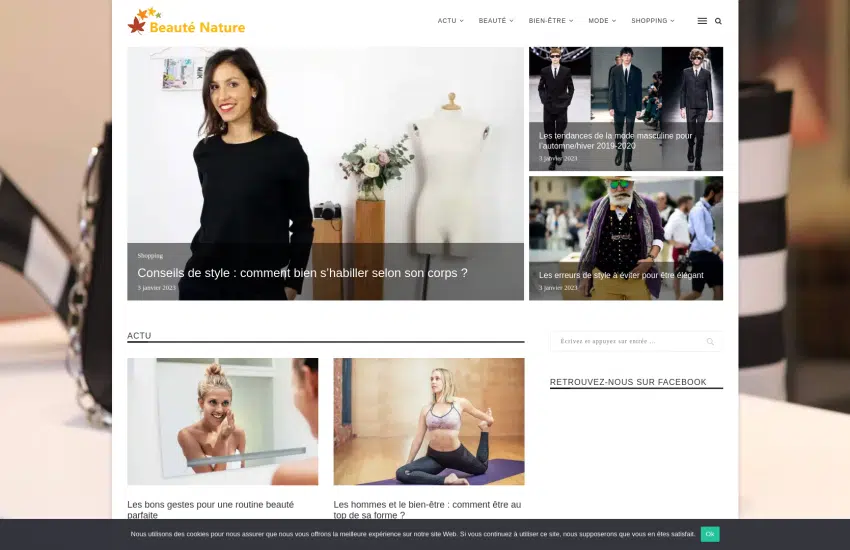
beautenature.net
info-immobilier.net
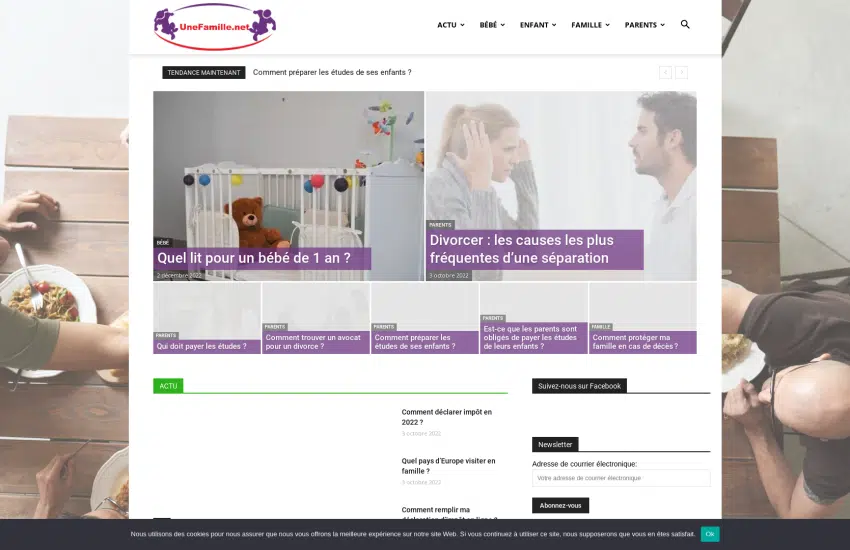
unefamille.net
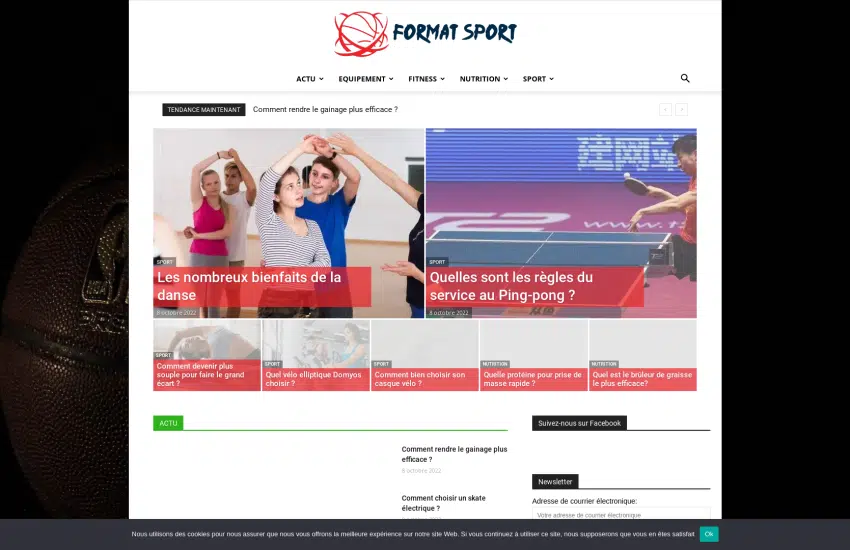
format-sport.com
vacanceo.net
medialibre.fr
planete-animaux.fr
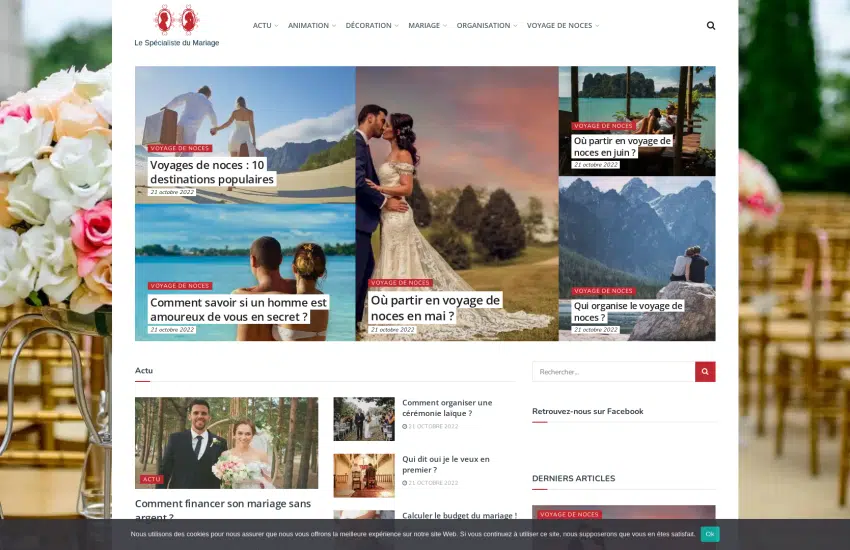
lespecialistedumariage.fr
partimmobilier.fr
bertrandbarre.com
be-at-home.fr
h-immobilier.fr
blog-mariage.net
mariage-magazine.fr
mariage-conseils.fr
univers-animaux.net
belle-et-naturelle.fr
beaute-revolution.fr
chiensetchats.net
animal-passion.net
notresweethome.com
prépa-manaa.com
news-avenue.com
animal-animaux.info
readit.fr
lescoudes-surlatable.fr
blog-sport.net
esprit-sport.com
mordudesport.fr
wedding-news.net
info-mariage.net
conseils-mariage.net
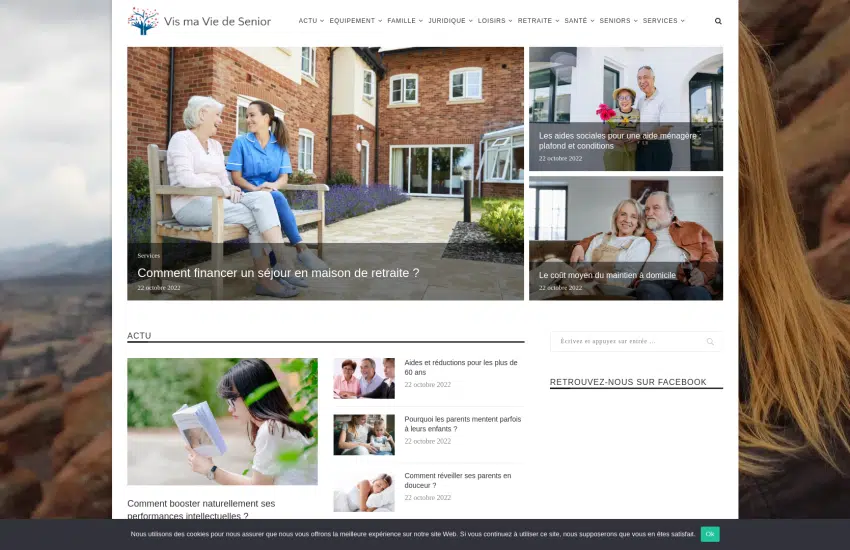
vismaviedesenior.fr
planete-beaute.com
belle-et-epanouie.fr
bla-bla-bla.org
actu-animaux.fr
actu-buzz.net
123mariages.com
actu-auto-buzz.fr
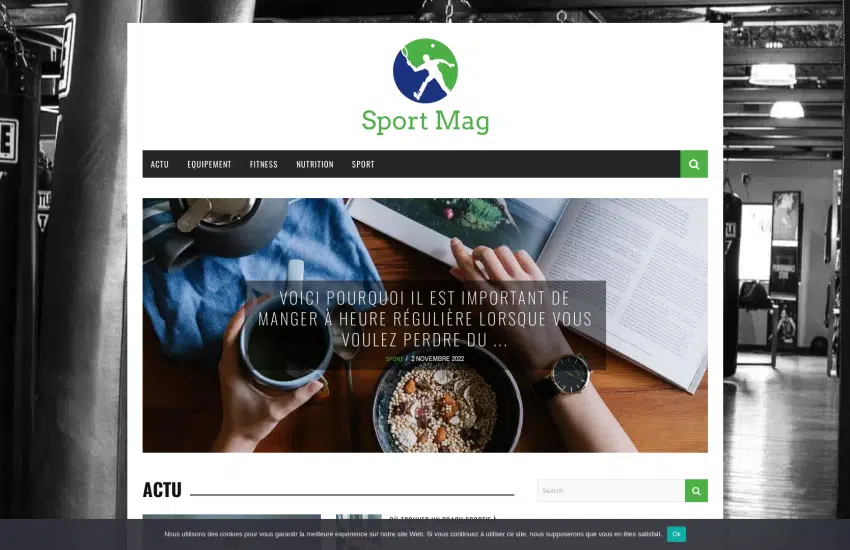
sportmag.info
espace-senior.info
seniors-univers.fr
cercle-des-seniors.fr
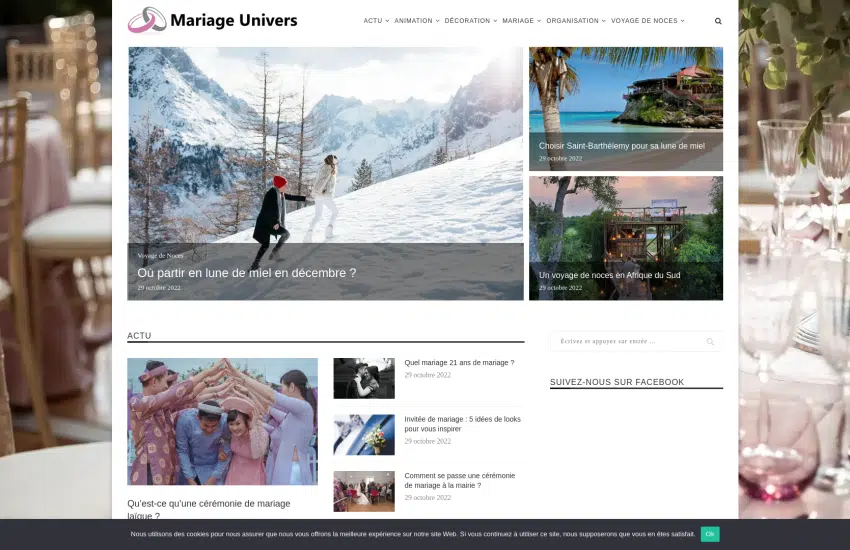
mariage-univers.fr
espace-beaute.net
beaute-ultime.fr
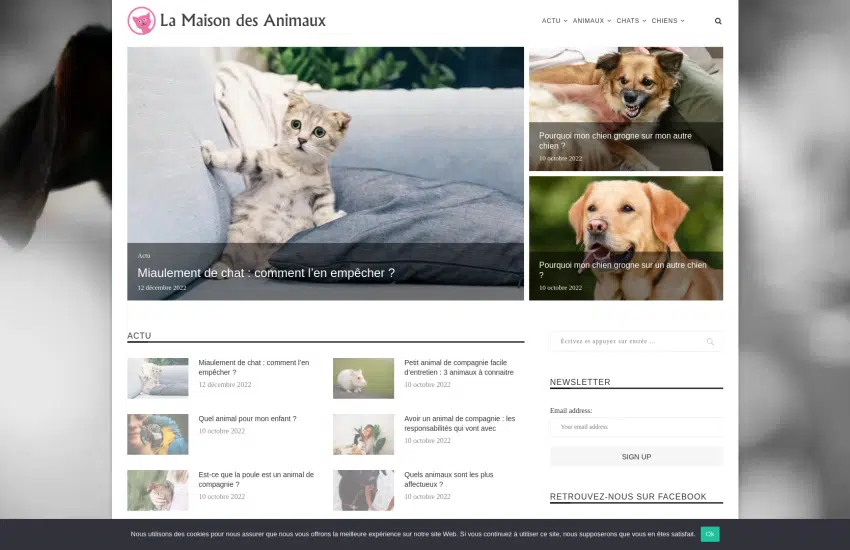
lamaisondesanimaux.net
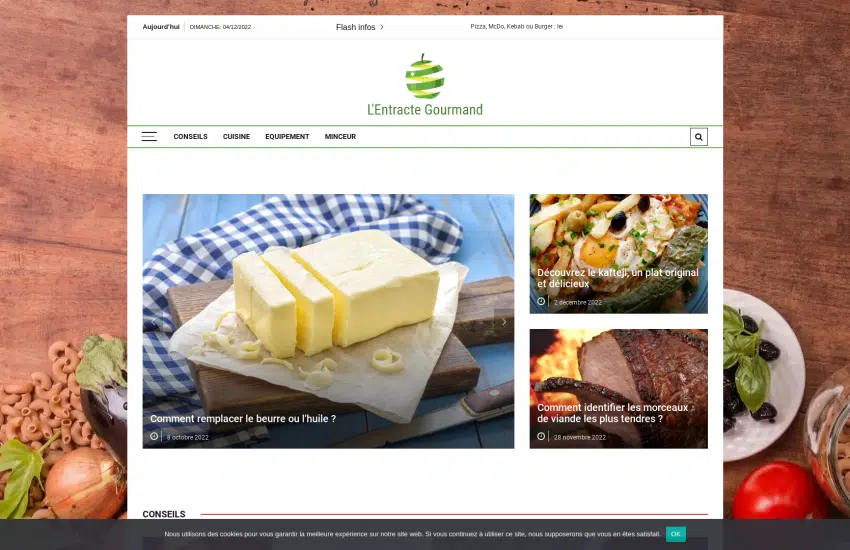
lentracte-gourmand.fr
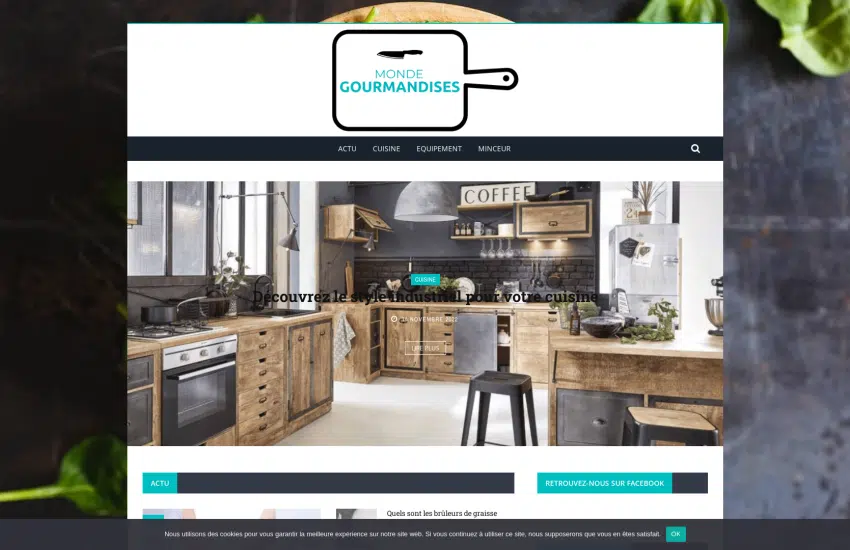
monde-gourmandises.net
systeme-auto.com
diversite-et-emploi.fr
anpaa-bretagne.fr
blogueur.net
actumecanique.fr
sport-univers.fr
top-beaute.com
info-sport.fr
mon-blog-cuisine.com
labonnemaison.fr
lartdugout.fr